predatory open access publishers
2025-03-28

1. predators and imposters
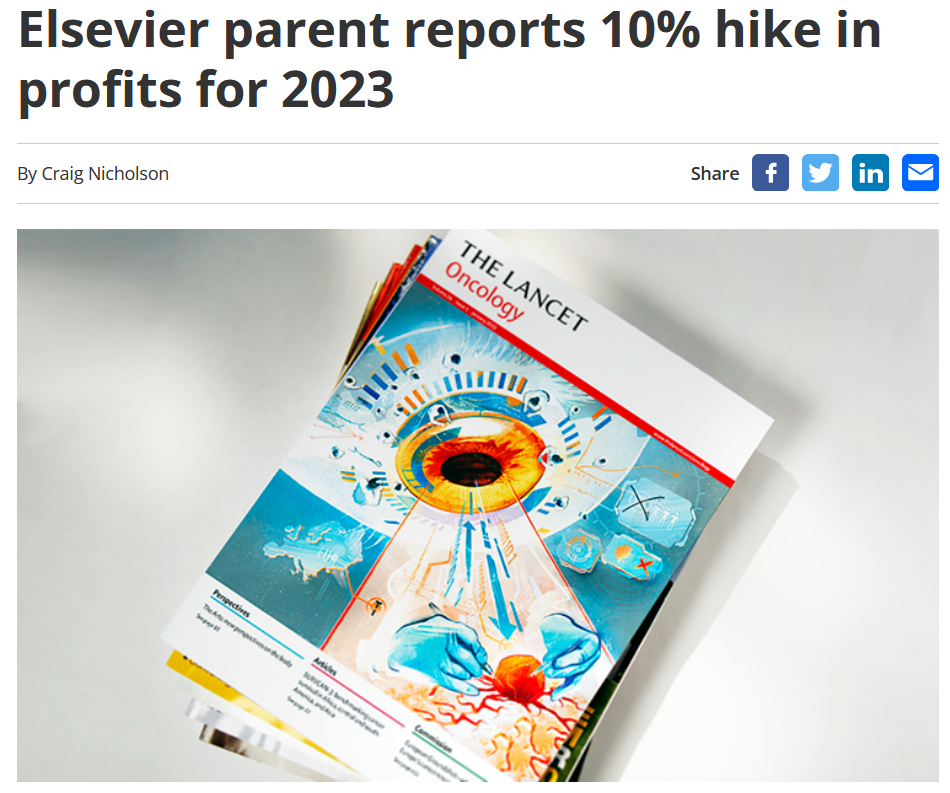
In 2023, Erik Ertgstrom, Elsevier’s CEO, earned 16,5 M euros
2. The definition challenge
Predatory journals and publishers are entities that prioritize self-interest at the expense of scholarship and are characterized by false or misleading information, deviation from best editorial and publication practices, a lack of transparency, and/or the use of aggressive and indiscriminate solicitation practices
:notebook: Grudniewicz et al. (2019)
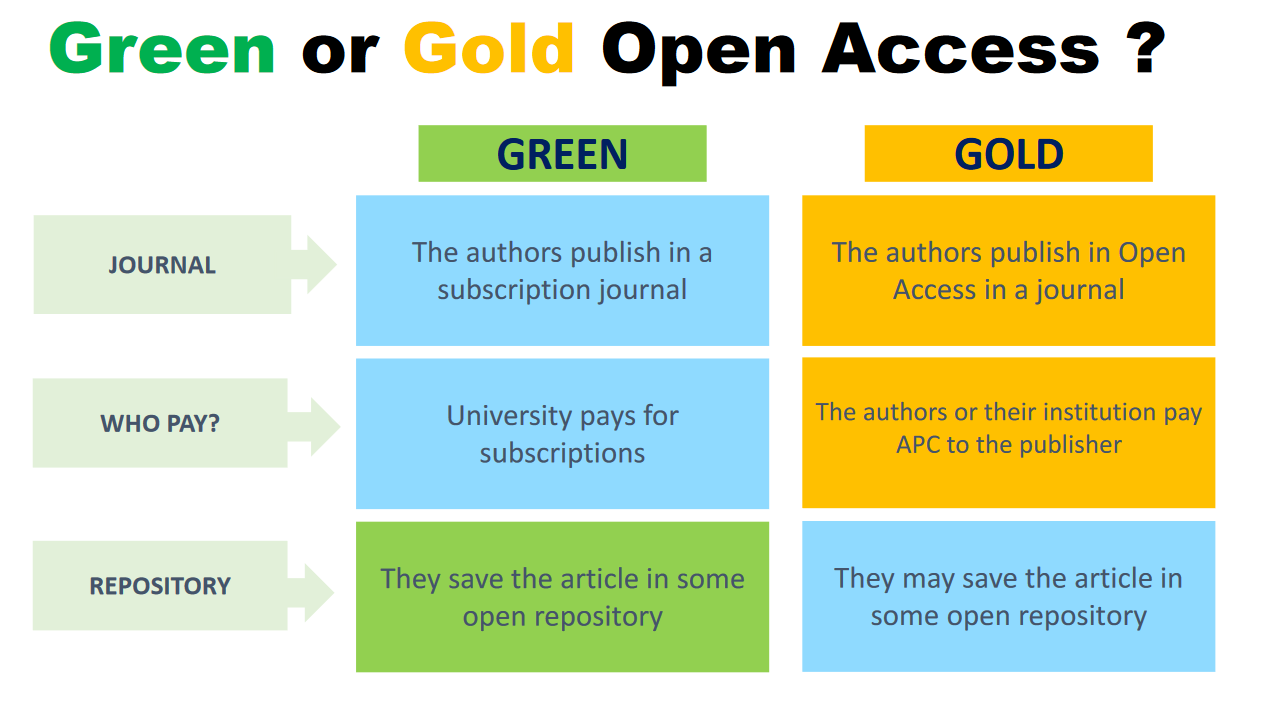
Figure 2: Gold vs Green
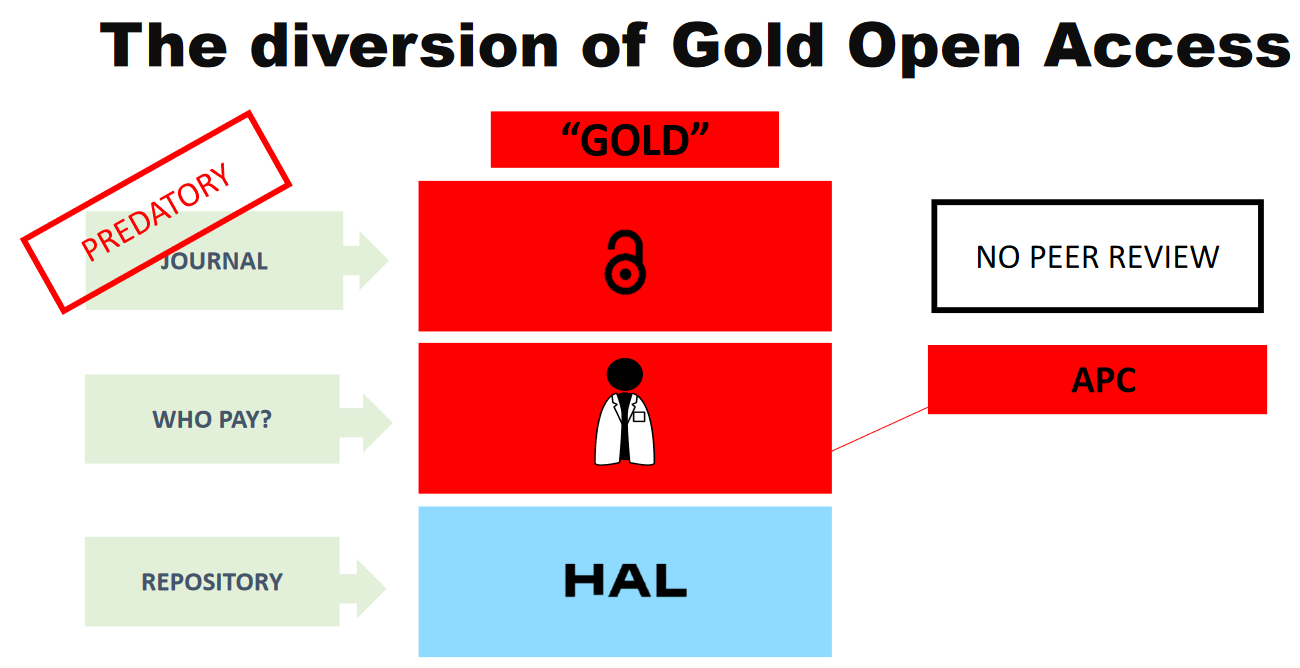
The DOAJ specifies wether APC for a given journal will be paid, and the amount of this APC
Figure 3
3. How can we recognize predatory practices in publishers offers?
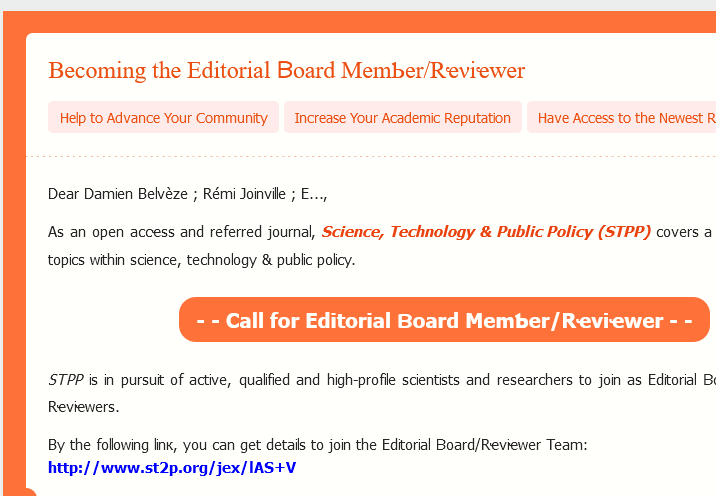
very short review times : how can it be possible if the peer-review process is taken seriously
average duration of the peer review process (sept 2023):
MDPI CEO says they have recruited an army of secretaries to help the job being done quickly
Is MDPI too fast or the others too slow in their PR management?
Acceptance rate : MDPI > 41-50% of all submitted articles are accepted / others > 15-20%
Retraction rate : MDPI > 213 papers cited in the retraction database (but comparable retraction rates among better-regarded publishers)
:notebook: Kratochvíl et al. (2020)
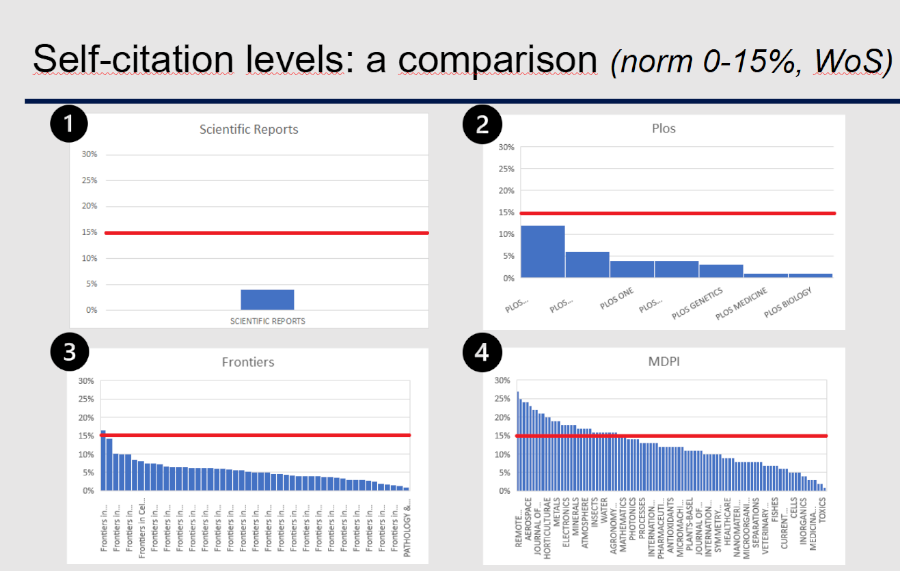
Figure 4: is self-citation level a relevant criterium?
false indexation in bibliographic databases: POAP mimick the standard metrics and use misleading metrics
:notebook: Delgado (2016)
the term was coined in 2012 by an iranian researcher, Mehrdad Jalalian :notebook: Abalkina (2023)
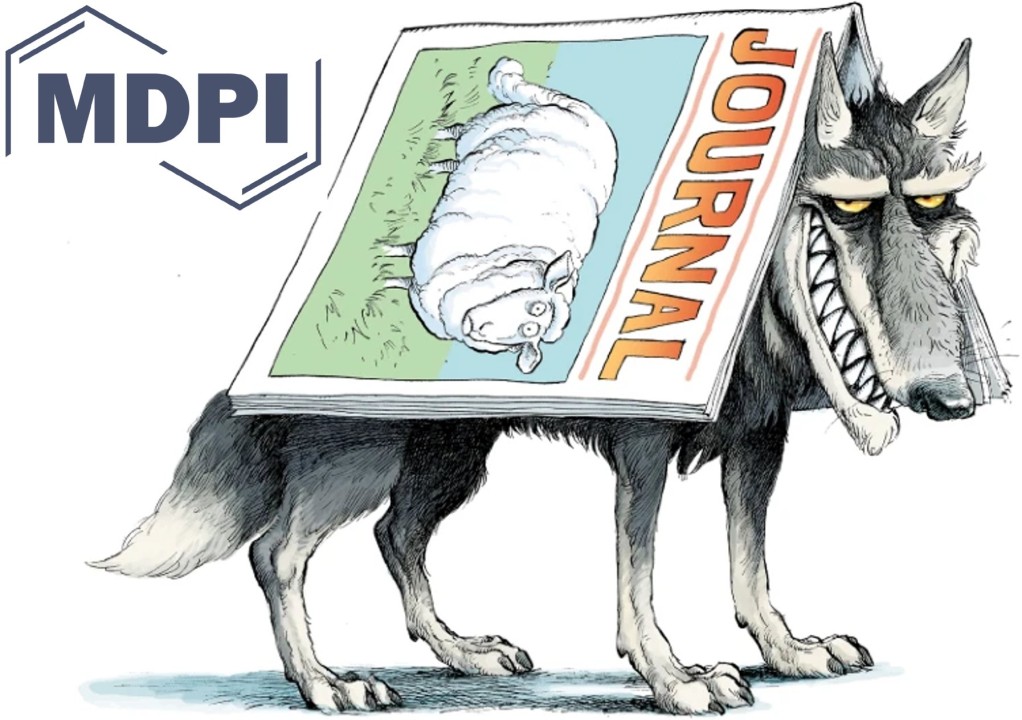
usurpation of the graphic identity of a reputable journal by a journal that wants to attract either readers or authors (as in the case of Predatory open access publishers)
in case this quiz would not work in the presentation, you may play it online
Quiz one
Quiz two
4. why some researchers willingly used journals considered as predatory?
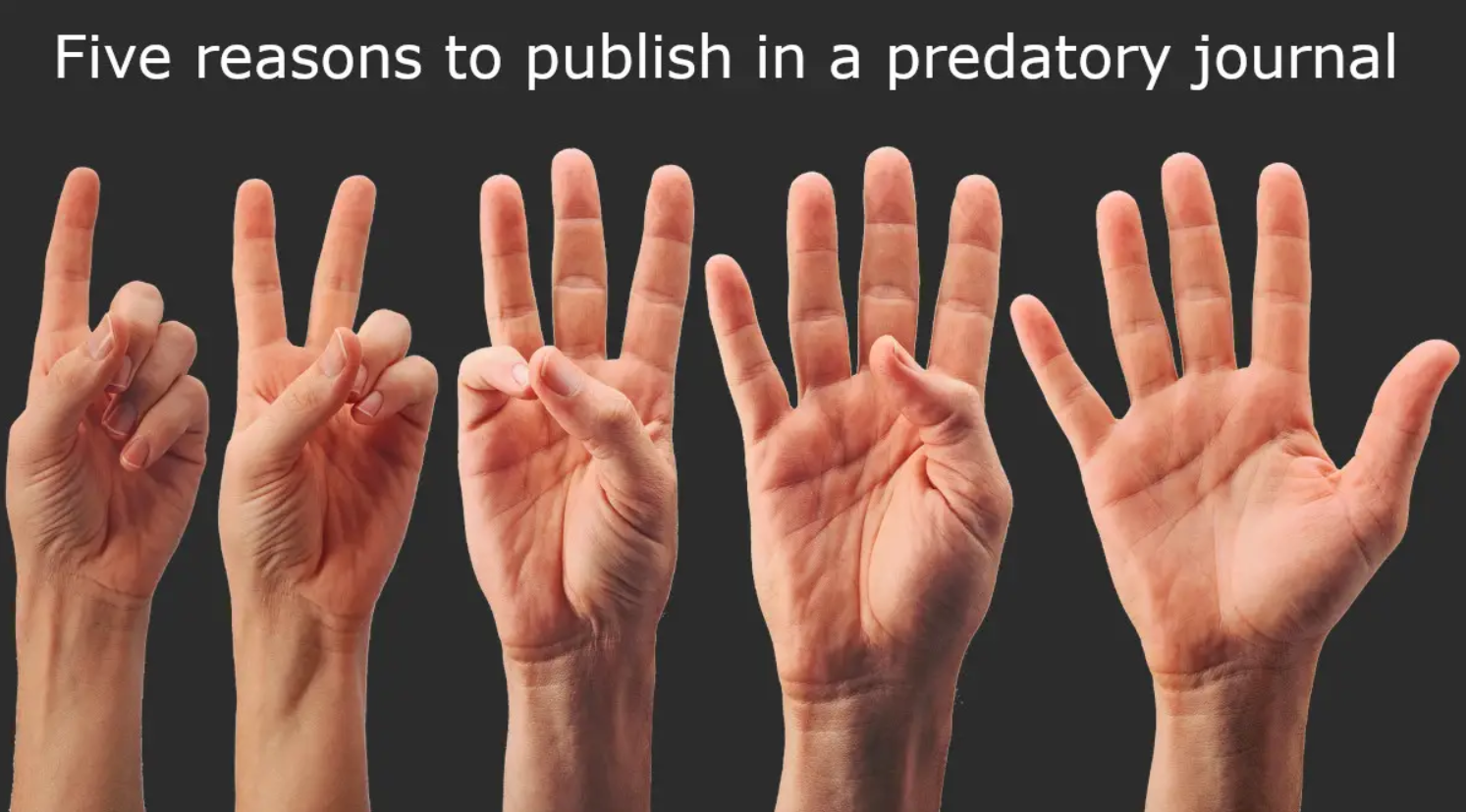
considering this, a lot of universities (mainly from Global North), when they can prove that a publication was consciously made in a predatory journal impose sanctions against the researchers who made the publication.
Figure 6: Jeffrey Beall, author of the first POAP blacklist
it’s better to educate Academia where to publish rather than where to not publish, but no whitelist makes consensus so far. These lists are
5. The grey zone
What the concept of predatory journals actually reveals is the deep inequalities between the scientific working conditions in countries close to the “centre” of global science, such as the UK and US, and those on its periphery
:notebook: Partnership (2022)
Low quality OA journals = predatory OA journals?
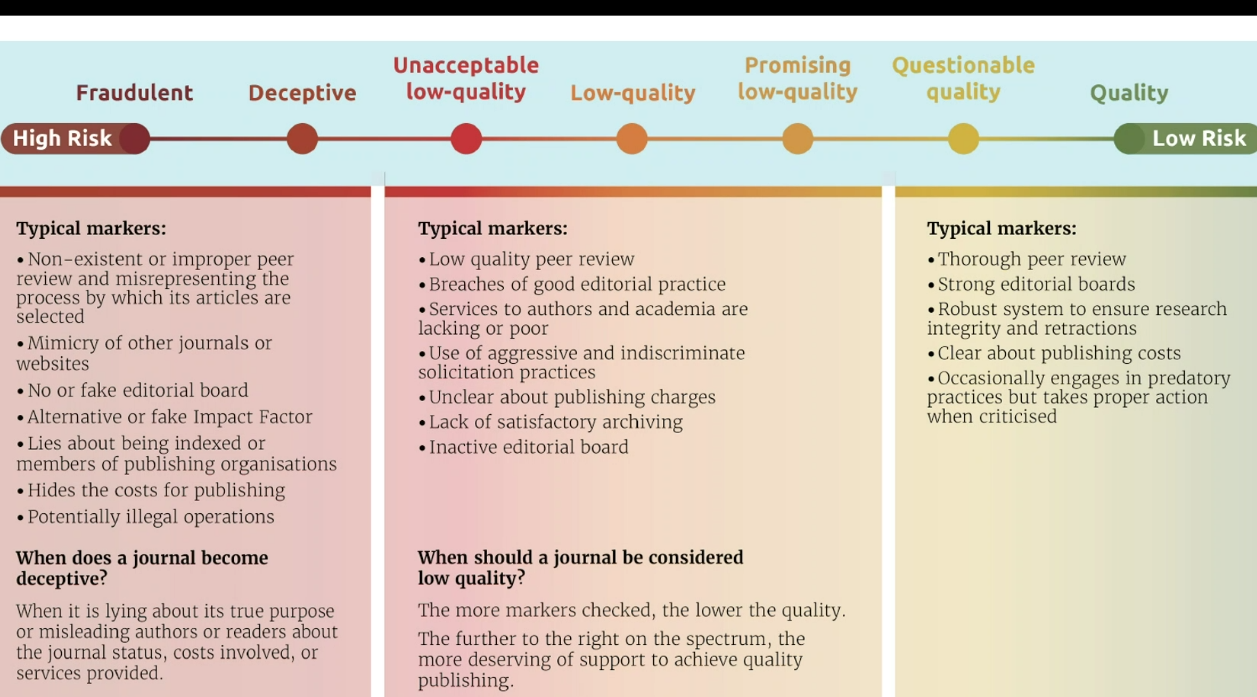
Figure 8: it’s not a black and white question
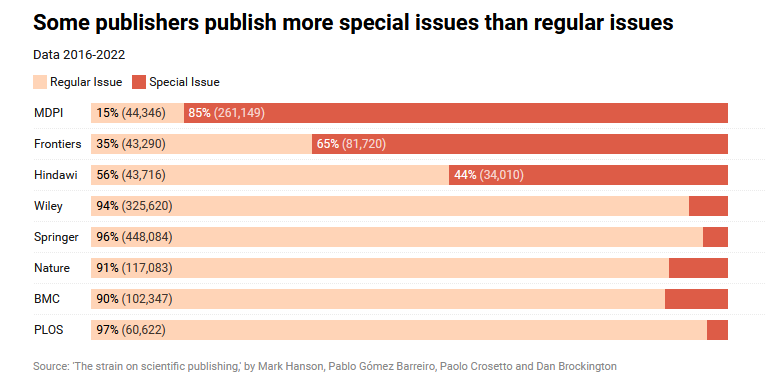
inflation of special issues: - more opportunities to publish for scholars under pressure (publish or perish) - more opportunities for publishers to gain money through APC - peer-review standards reduced
:notebook: Hanson et al. (2023)
6. The compass to publish
| figure | source et crédits |
|---|---|
| ?@fig-elsevier_profit | Research Professional News |
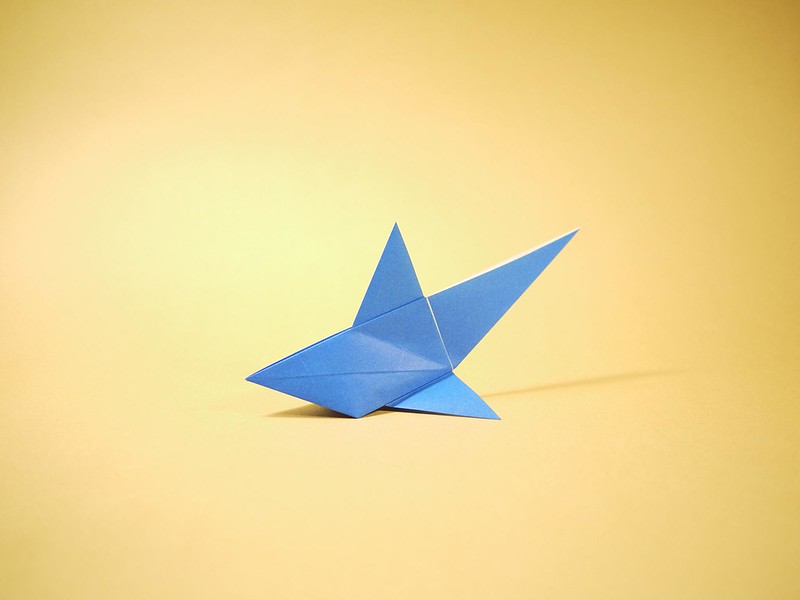
| Figure 1 | Shark, by yosuke muroya, CC-by-nc |
| Figure 2 | Perrin, S. (2022, novembre 30). Beware predatory publishers! |
| Figure 3 | Perrin, S. (2022, novembre 30). Beware predatory publishers! |
| Figure 4 | Sarka Erben Johansson’s presentation on MDPI at the MUNI University 5/09/2023 |
| Figure 7 | source: Anonymous on Twitter based on Illustration by David Parkins |
| Figure 8 | The InterAcademy Partnership. (2022). Combatting Predatory Academic Journals and Conferences—Full report. |
| Figure 9 | Ansede, M. (2023, octobre 31). Public funds being swallowed up by scientific journals with dubious articles. |
| Figure 5 | Author, A. (2022, juillet 9). Five reasons to publish in a predatory journal. Publishing with Integrity. |
| Figure 6 | Author, A. (2020, septembre 28). What is Beall’s List? Why was it shut down? Predatory Journals and Conferences. |
The predatory letter activity is an english translation of the activity that was originaly designed by Olivier Poirier (UQTR), Valérie Levasseur (UQAC), Félix de la Durantaye (ENAP) and Valérie Bourdeau (UQ) (source).
Most part of the software used for this presentation are “libre” software

CC-by:4.0 Damien Belvèze